In manufacturing, machine performance directly affects production efficiency, product quality and operating costs. Even a high-quality machine can experience reduced performance if it is not maintained properly.
Regular machine maintenance helps identify small issues before they become major breakdowns, while also improving machine life, reliability and production consistency.
For industries such as footwear, leather goods and other manufacturing applications, a simple preventive maintenance routine can make a significant difference.
Here are 5 essential machine maintenance practices every manufacturer should follow.
1. Lubricate Moving Parts Regularly
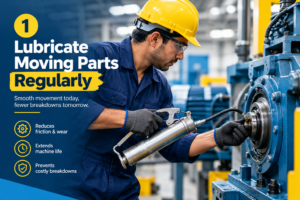
Moving components experience continuous friction during machine operation. Without proper lubrication, friction can increase wear, generate heat and affect machine performance.
What to do:
* Use only the recommended lubricant.
* Check lubrication points regularly.
* Avoid over-lubrication, as excess grease or oil can attract dust and contaminants.
Proper lubrication helps ensure smoother machine movement and can reduce premature component wear.
2. Keep the Machine Clean
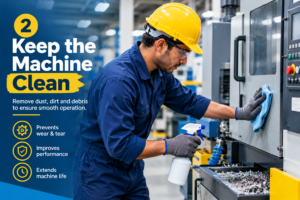
Dust, leather particles, fabric fibres, adhesive residue and other production waste can accumulate around machine components.
Over time, this buildup can affect moving parts, sensors, air vents and other critical areas.
What to do:
* Clean the worktable and surrounding areas regularly.
* Remove material scraps after production shifts.
* Wipe exposed machine surfaces and sensors.
* Keep ventilation and air-vents free from dust.
A clean machine environment supports better accuracy, smoother operation and more consistent production.
3. Inspect Cutting Blades, Knives and Dies
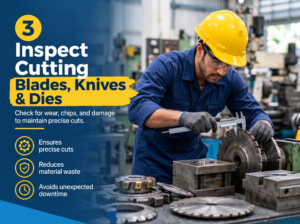
Cutting performance depends heavily on the condition of blades, knives and dies. Damaged, worn or improperly maintained cutting components can lead to poor-quality cuts and increased material wastage.
Look for:
* Chipped or damaged edges
* Uneven wear
* Rust or corrosion
* Reduced cutting performance
* Inconsistent cutting results
Regular inspection allows worn components to be identified and replaced before they affect production quality.
4. Monitor Hydraulic Oil and Hydraulic Systems
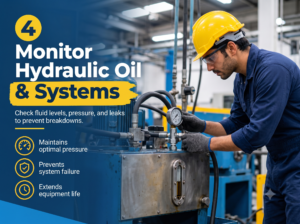
For machines that use hydraulic systems, oil condition plays an important role in maintaining stable pressure and reliable operation.
Low or contaminated hydraulic oil can affect machine performance and may contribute to unnecessary wear of hydraulic components.
Check regularly:
* Hydraulic oil level
* Oil cleanliness
* Leakage around hoses and cylinders
* Recommended oil replacement intervals
* Unusual pressure fluctuations
Following the machine manufacturer’s recommended hydraulic oil specifications and service intervals is essential for reliable operation.
5. Check Air Pressure in Pneumatic Machines
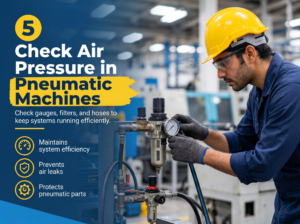
Pneumatic machinery relies on the correct air pressure for consistent movement and operation. Incorrect pressure or moisture in the compressed-air system can affect machine performance.
What to check:
* Pressure gauge readings
* Air hoses and connections for leaks
* Air-filter condition
* Moisture accumulation
* Pressure requirements specified by the machine manufacturer
Regular checks can help prevent inconsistent machine movement, stamping, embossing and other production issues.
Why Preventive Maintenance Matters
Preventive maintenance is not simply about fixing machines when something goes wrong. It is about taking small, regular steps to reduce the chances of unexpected problems.
A consistent maintenance routine can help manufacturers:
* Reduce unexpected machine breakdowns
* Improve production efficiency
* Maintain consistent product quality
* Extend machine service life
* Reduce repair and maintenance costs
* Minimise production downtime
Even a short daily inspection, combined with scheduled servicing, can help identify potential problems before they become costly interruptions.
Build Maintenance Into Your Production Routine
Machine maintenance should be treated as part of the production process rather than an activity performed only after a breakdown.
Operators should follow the machine manufacturer’s maintenance instructions and maintain appropriate records for lubrication, cleaning, inspections, oil changes and servicing.
For critical machinery, scheduled preventive maintenance by qualified service personnel can provide an additional layer of reliability.
Conclusion
Well-maintained machinery performs more consistently, lasts longer and helps manufacturers maintain production quality.
From lubrication and cleaning to checking cutting components, hydraulic systems and air pressure, these simple maintenance practices can help prevent avoidable breakdowns and keep production running smoothly.
Preventive maintenance today can help prevent costly downtime tomorrow.
Harman Group supports Indian manufacturers with machinery solutions, technical expertise, service support and spare-part solutions for footwear, leather goods and related industries.