In footwear and leather manufacturing, cutting accuracy plays an important role in product quality, material utilisation, and production efficiency. While cutting machines and cutting dies receive considerable attention, the cutting board is equally important for achieving consistent cutting results.
Cutting boards are used with clicking presses and other industrial cutting machines to provide a suitable surface for cutting leather, synthetic materials, rubber, foam, and other materials. Over time, repeated cutting can create marks, grooves, uneven surfaces, and worn-out areas that affect cutting performance.
Proper cutting board maintenance helps extend board life, improve cutting consistency, and reduce unnecessary production interruptions. But how do you know when to rotate, resurface, or replace a cutting board?Let’s understand each step.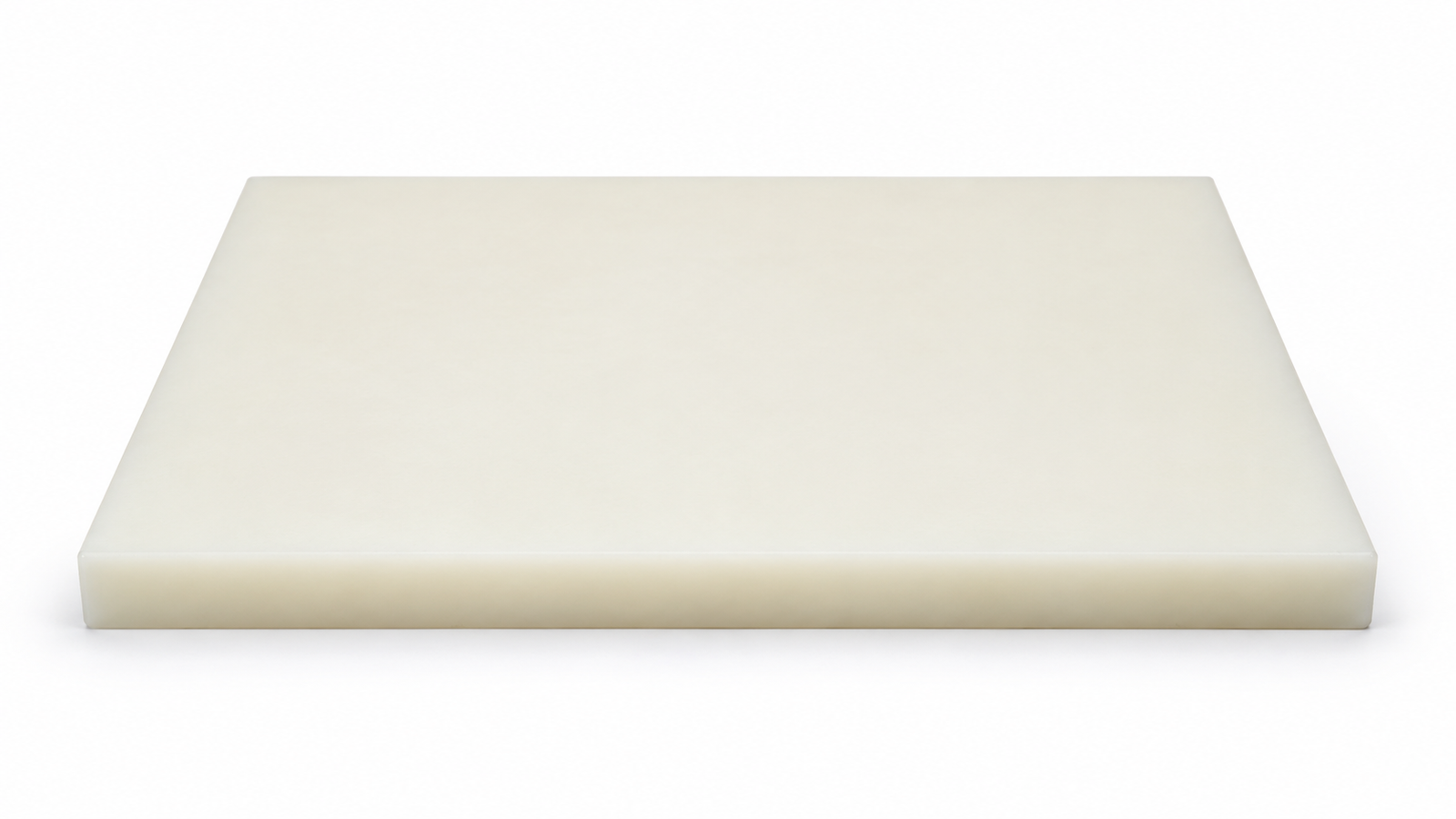
Why Is Cutting Board Maintenance Important?
A cutting board experiences repeated pressure from cutting dies during daily production. Without proper maintenance, the surface can become uneven or develop deep impressions.
Regular maintenance helps manufacturers:
* Maintain consistent cutting quality.
* Reduce incomplete cuts and material wastage.
* Protect cutting dies from unnecessary wear.
* Improve production efficiency.
* Extend the service life of cutting boards.
* Reduce avoidable downtime and replacement costs.
For footwear manufacturers, maintaining the cutting surface is an important part of an efficient cutting department.
1. When Should You Rotate a Cutting Board?
Rotating a cutting board helps distribute cutting pressure more evenly across its surface.
When the same area is used repeatedly, it may wear faster than other sections. Rotating the board allows less-used areas to share the workload, helping reduce uneven wear.
Signs That Your Cutting Board Needs Rotation
Consider rotating the board when:
* Certain areas show more cutting marks than others.
* Frequently used sections begin to show visible wear.
* The board has several usable areas with different levels of wear.
* Your machine and board design allow safe rotation.
Best Practices for Cutting Board Rotation
* Follow the board manufacturer’s rotation recommendations.
* Distribute cutting operations across usable areas where possible.
* Inspect the surface before returning the board to production.
* Ensure the board is correctly positioned and secured after rotation.
Important: Rotation does not repair deep grooves or permanently damaged areas. It is a preventive maintenance practice, not a substitute for resurfacing or replacement.
2. When Should You Resurface a Cutting Board?
Resurfacing involves removing a thin layer of material from the board to restore a more even working surface. It can help when normal use has created surface wear but sufficient board thickness remains.
Signs That Resurfacing May Be Required
Your cutting board may need resurfacing when:
* The surface has developed uneven wear.
* Shallow grooves and impressions are affecting cutting consistency.
* The board no longer provides uniform support across the working area.
* Rotation alone no longer provides satisfactory results.
* The board manufacturer’s maintenance guidelines permit resurfacing.
Benefits of Resurfacing
Proper resurfacing can help restore a more uniform cutting surface, improve cutting consistency, and extend the useful life of a suitable board.
However, resurfacing should be carried out only when the board material and construction allow it.
Precautions Before Resurfacing
* Check the manufacturer’s recommended minimum board thickness.
* Use an appropriate resurfacing method for the board material.
* Avoid removing more material than necessary.
* Ensure the finished surface is flat and suitable for the machine.
* Have the board inspected before returning it to production.
Note: Not every cutting board can be resurfaced. Some boards are designed to be rotated or replaced rather than machined. Always follow the supplier’s recommendations.
3. When Should You Replace a Cutting Board?
Rotation and resurfacing can extend a cutting board’s working life, but neither can restore a board that has reached the end of its usable condition.
Continuing to use a severely worn board may affect cutting quality and increase production problems.
Signs That Your Cutting Board Needs Replacement
Consider replacing the board when:
* Deep grooves remain after permitted maintenance.
* The surface is cracked, chipped, or permanently damaged.
* The board has become too thin for safe and effective operation.
* The surface cannot be restored to the required flatness.
* Cutting quality remains inconsistent despite correct machine settings and suitable cutting dies.
* The board no longer meets the machine manufacturer’s operating requirements.
A damaged or unsuitable cutting board should be removed from service and assessed before further use.
How to Choose a Replacement Cutting Board
Before purchasing a replacement, consider:
* Machine compatibility: Confirm that the board suits your clicking press or cutting machine.
* Board material: Select a material appropriate for your cutting application.
* Dimensions and thickness: Check the machine specifications and supplier recommendations.
* Cutting requirements: Consider the materials, cutting dies, and production volume involved.
* Maintenance requirements: Understand whether the board can be rotated, resurfaced, or both.
Choosing a suitable replacement board helps maintain reliable cutting operations and supports consistent production quality.
4. Rotation vs. Resurfacing vs. Replacement
Understanding the difference between these three maintenance practices helps manufacturers make timely decisions.
5. How to Extend the Life of Your Cutting Board
A simple preventive maintenance routine can help reduce premature wear and maintain cutting performance.
Follow a Regular Inspection Schedule
Inspect the cutting board for grooves, cracks, uneven wear, and other visible damage. Increase inspection frequency when production volumes are high.
Distribute Cutting Operations
Where practical, use different areas of the board instead of repeatedly cutting in one location. Follow the manufacturer’s guidance for board rotation.
Use Suitable Cutting Dies
Ensure cutting dies are appropriate for the application and maintained in good condition. Damaged or unsuitable dies may contribute to poor cutting results and unnecessary wear.
Follow Correct Machine Settings
Operate the cutting machine according to its specifications. Excessive or incorrectly adjusted cutting pressure may contribute to premature wear or damage.
Maintain Proper Installation
Ensure the cutting board is correctly positioned and secured. Follow the machine manufacturer’s instructions for installation, inspection, and maintenance.
Maintain a Replacement Record
Record inspection dates, rotation, resurfacing, and replacement activities. Tracking board condition and service history can help identify wear patterns and plan maintenance more effectively.
6. Common Cutting Board Maintenance Mistakes to Avoid
Avoiding a few common mistakes can help manufacturers maintain reliable cutting operations.
* Using the same area continuously: This can lead to concentrated wear and deep impressions.
* Ignoring visible grooves: Worn areas may affect cutting consistency.
* Resurfacing beyond recommended limits: Excessive material removal can make the board unsuitable for use.
* Continuing to use a damaged board: Cracks, severe unevenness, or insufficient thickness should not be ignored.
* Replacing boards without inspecting them: Some boards may remain suitable for use after permitted rotation or resurfacing.
* Ignoring machine compatibility: An unsuitable board can affect operating conditions and cutting performance.
A planned maintenance routine helps manufacturers decide when a board can continue to be used and when intervention is necessary.
7. How Cutting Board Maintenance Supports Footwear Manufacturing
In footwear manufacturing, cutting operations directly influence material utilisation, component consistency, and production workflow.
A properly maintained cutting board provides a suitable working surface for cutting leather, synthetic materials, rubber, foam, and other materials used in footwear components.
Regular inspection and timely maintenance can help reduce avoidable cutting problems, support consistent output, and improve the utilisation of cutting equipment.
For manufacturers using clicking presses and industrial cutting dies, cutting board maintenance should be included in the overall machine maintenance program.
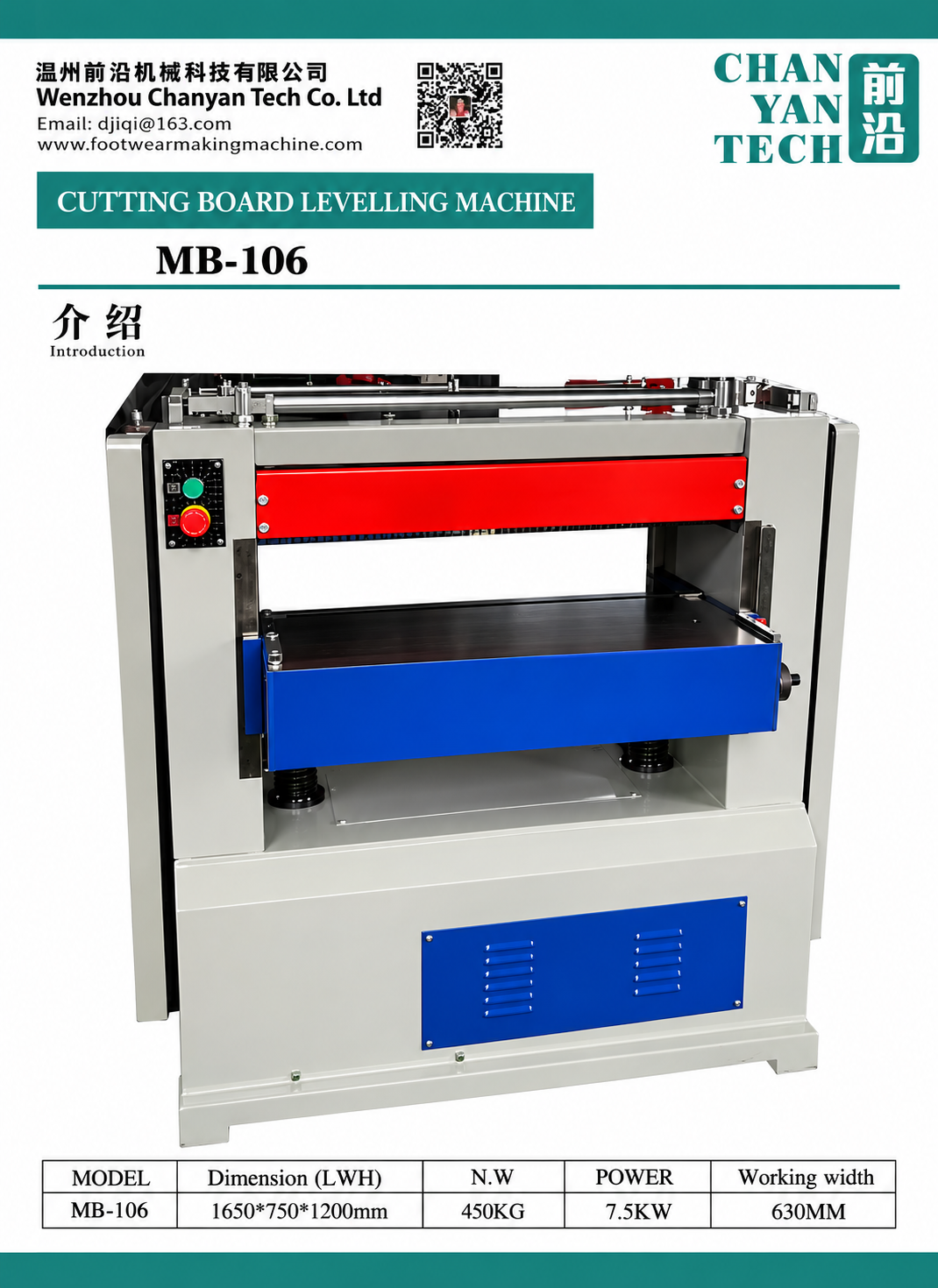 .
For future enquiries or more information about our machines, feel free to contact us: